Jewelry Box Packaging
Rings, pendants, earrings and sets are held by the insert, not the box. This page covers the four structures that matter, how the tray geometry sets the box size, which surface suits which item, and what a quotation needs.
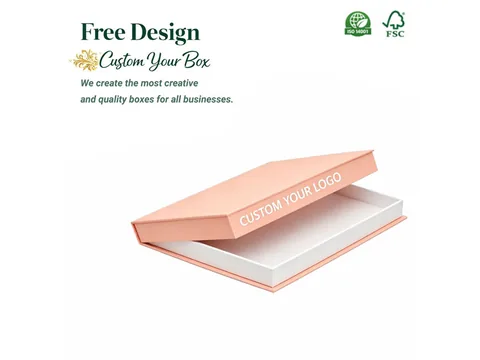
Jewelry packaging from the current catalogue. Insert, lining and finish are made to your piece — quote for the spec.
→ Quote This Design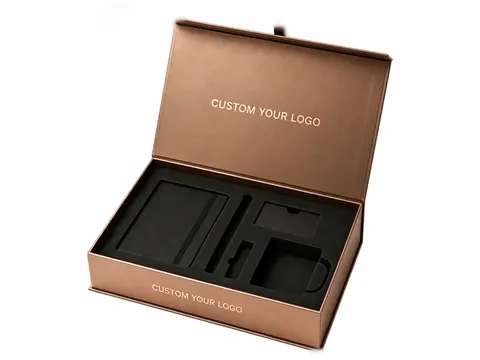
Jewelry packaging from the current catalogue. Insert, lining and finish are made to your piece — quote for the spec.
→ Quote This Design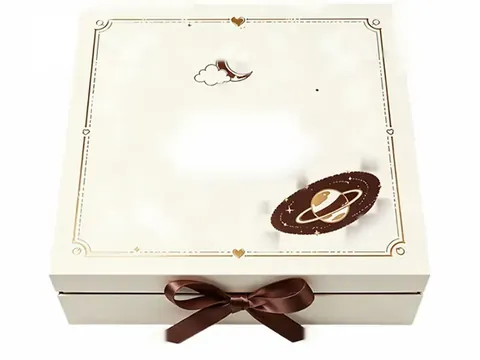
Jewelry packaging from the current catalogue. Insert, lining and finish are made to your piece — quote for the spec.
→ Quote This Design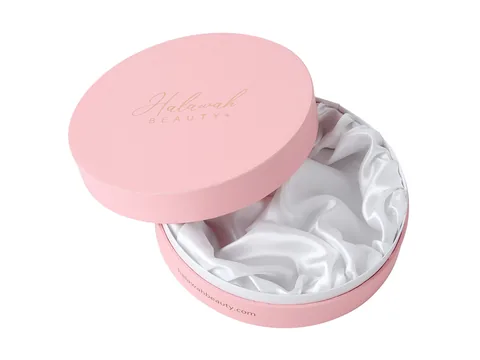
Jewelry packaging from the current catalogue. Insert, lining and finish are made to your piece — quote for the spec.
→ Quote This Design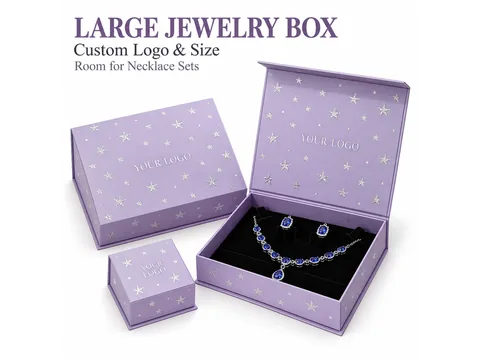
Jewelry packaging from the current catalogue. Insert, lining and finish are made to your piece — quote for the spec.
→ Quote This Design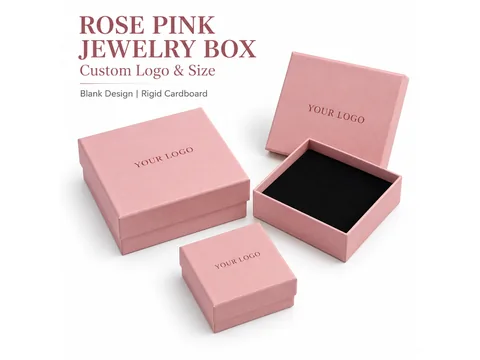
Jewelry packaging from the current catalogue. Insert, lining and finish are made to your piece — quote for the spec.
→ Quote This Design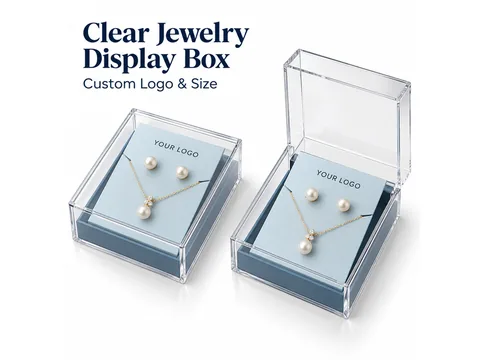
Jewelry packaging from the current catalogue. Insert, lining and finish are made to your piece — quote for the spec.
→ Quote This Design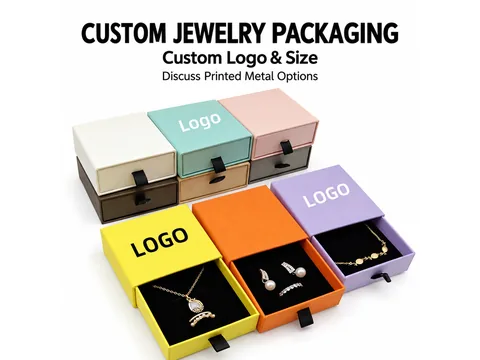
Jewelry packaging from the current catalogue. Insert, lining and finish are made to your piece — quote for the spec.
→ Quote This Design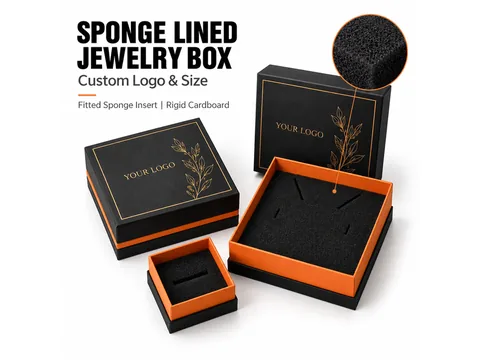
Jewelry packaging from the current catalogue. Insert, lining and finish are made to your piece — quote for the spec.
→ Quote This Design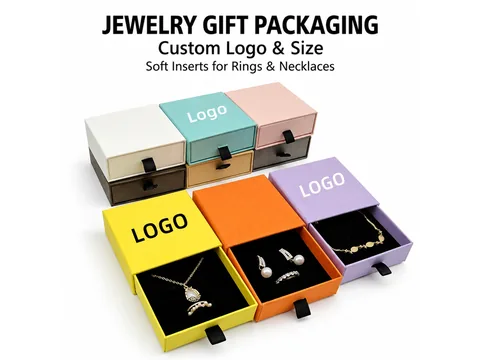
Jewelry packaging from the current catalogue. Insert, lining and finish are made to your piece — quote for the spec.
→ Quote This Design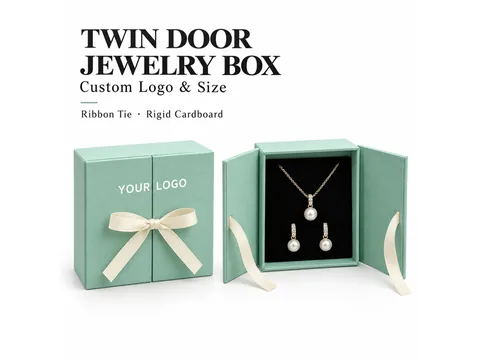
Jewelry packaging from the current catalogue. Insert, lining and finish are made to your piece — quote for the spec.
→ Quote This Design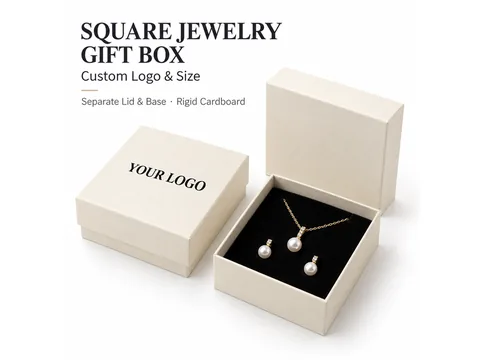
Jewelry packaging from the current catalogue. Insert, lining and finish are made to your piece — quote for the spec.
→ Quote This Design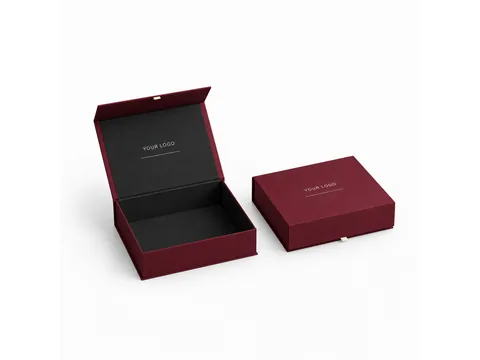
Jewelry packaging from the current catalogue. Insert, lining and finish are made to your piece — quote for the spec.
→ Quote This Design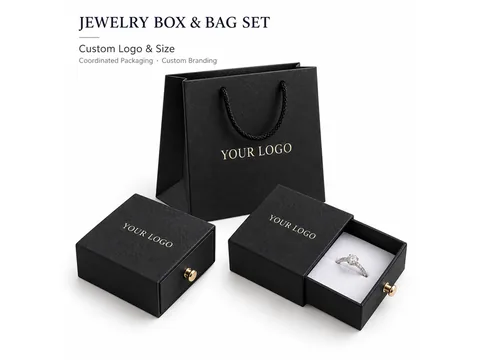
Jewelry packaging from the current catalogue. Insert, lining and finish are made to your piece — quote for the spec.
→ Quote This Design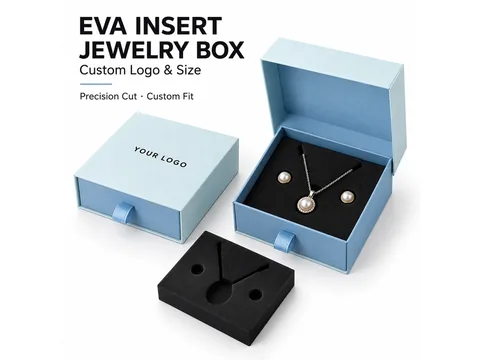
Jewelry packaging from the current catalogue. Insert, lining and finish are made to your piece — quote for the spec.
→ Quote This Design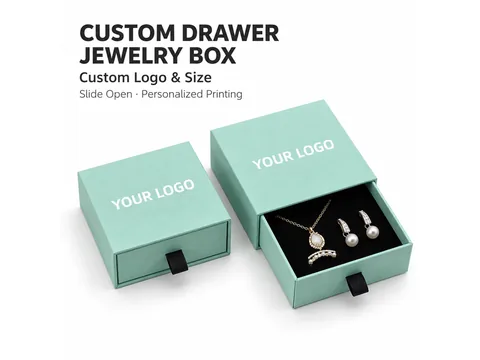
Jewelry packaging from the current catalogue. Insert, lining and finish are made to your piece — quote for the spec.
→ Quote This Design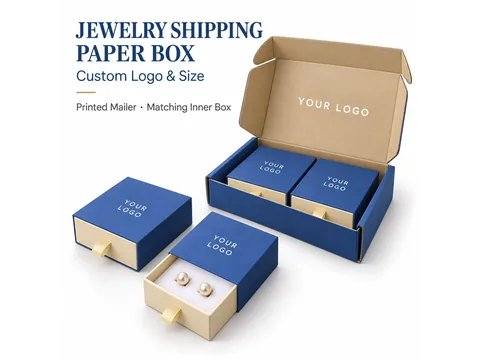
Jewelry packaging from the current catalogue. Insert, lining and finish are made to your piece — quote for the spec.
→ Quote This Design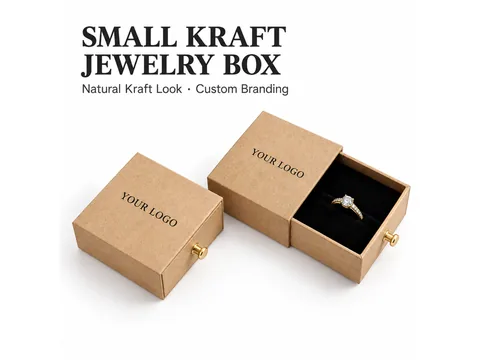
Jewelry packaging from the current catalogue. Insert, lining and finish are made to your piece — quote for the spec.
→ Quote This Design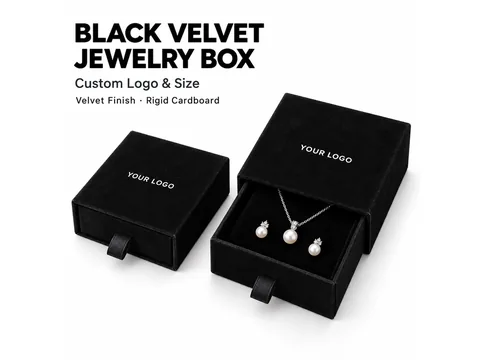
Jewelry packaging from the current catalogue. Insert, lining and finish are made to your piece — quote for the spec.
→ Quote This Design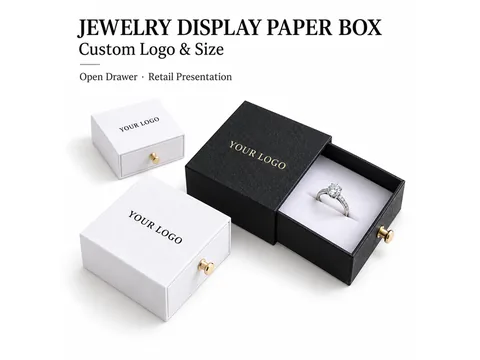
Jewelry packaging from the current catalogue. Insert, lining and finish are made to your piece — quote for the spec.
→ Quote This Design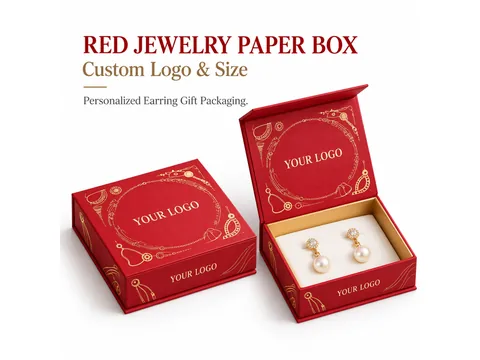
Jewelry packaging from the current catalogue. Insert, lining and finish are made to your piece — quote for the spec.
→ Quote This Design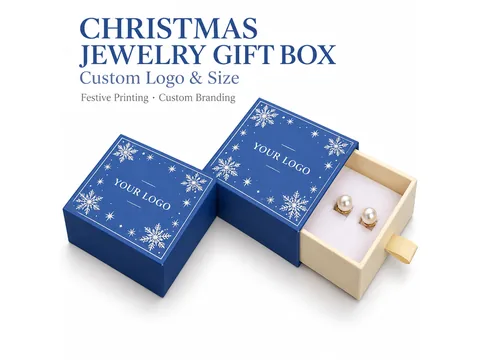
Jewelry packaging from the current catalogue. Insert, lining and finish are made to your piece — quote for the spec.
→ Quote This Design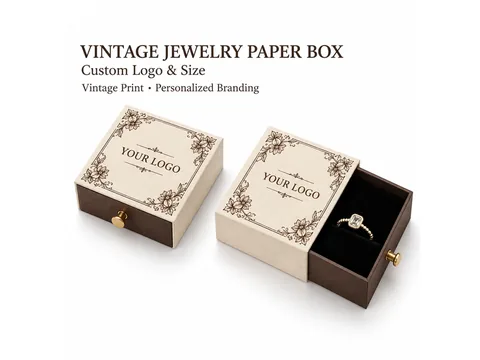
Jewelry packaging from the current catalogue. Insert, lining and finish are made to your piece — quote for the spec.
→ Quote This Design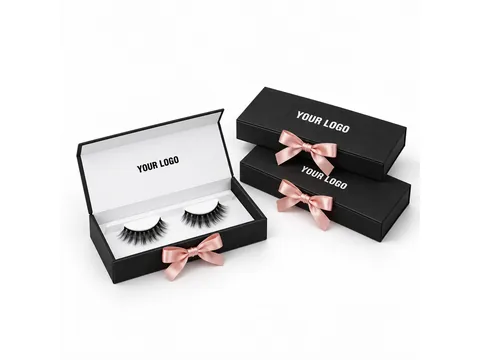
Jewelry packaging from the current catalogue. Insert, lining and finish are made to your piece — quote for the spec.
→ Quote This Design
Jewelry packaging from the current catalogue. Insert, lining and finish are made to your piece — quote for the spec.
→ Quote This Design1. A jewelry box does three jobs at once
Unlike a shipping carton, a jewelry box is part of the product. It has to hold the piece without movement, present it when the lid opens, and survive being carried home in a bag. Those three jobs pull in different directions: more padding protects but hides the piece, tighter fit presents better but risks scratching, and a velvet surface reads premium but marks easily.
That is why the specification conversation starts with the item, not the box.
2. Four structures, and what each one costs you in internal space
| Structure | How it opens | Suits | Space cost |
|---|---|---|---|
| Lid and base (two-piece) | Lid lifts off | Rings, pendants, single pieces | Lowest — no drawer mechanism |
| Drawer / sliding | A tray slides out of a sleeve | Sets, earrings, multiple pieces | Adds 2–3 mm per side for the slide |
| Magnetic rigid | Hinged lid held by magnets | Gift sets, corporate pieces | Adds board thickness plus magnet pockets |
| Folding carton with window | Printed card, die-cut window | Retail peg and shelf listings | Lowest cost; least reusability |
The space cost column is the one buyers underestimate. A drawer box needs clearance for the tray to move, so the same insert that fits a lid-and-base box will not fit a drawer of the same outside size.
3. From tray geometry to box size
Same method as any rigid box: cavities plus walls give the tray, tray plus clearance gives the internal, board thickness gives the outside.
Worked example — an earring and pendant set, 2 rows × 3 columns, cavities 40 × 30 mm, walls 5 mm, foam 8 mm:
| Step | Calculation | Result |
|---|---|---|
| Tray width | 3 × 40 + 4 × 5 | 140 mm |
| Tray length | 2 × 30 + 3 × 5 | 75 mm |
| Box internal | tray + 2 mm per side | 144 × 79 mm |
| Box internal depth | cavity 25 + foam base 8 + clearance 5 | 38 mm, round to 40 mm |
| Box outside | internal + 2 × 2 mm board | ≈ 148 × 83 × 44 mm |
Two consequences worth planning around. First, a ring box is not a scaled-down necklace box — a ring needs a slot deep enough to bury the band, roughly 25–30 mm, which makes the box far deeper than its footprint suggests. Second, adding a drawer changes the internal size, so decide the structure before you approve a dieline.
4. Inserts and fitments
| Fitment | Holds | Note |
|---|---|---|
| Velvet or flocked foam with cut slots | Rings, studs, small pendants | Slot depth decides how much of the piece stays visible |
| Die-cut card with slits | Chains, bracelets, hooks | Cheapest option; the card is the display, so print it |
| Satin pillow | Bracelets, watches | Needs an elastic band or the piece slides off in transit |
| EVA foam, full tray | Sets and multi-piece boxes | One die per layout; foam is not recyclable in paper streams |
| Moulded pulp tray | Set boxes going plastic-free | Higher tooling and longer lead time than foam |
5. Surfaces: what reads premium and what marks
| Surface | Reads as | Watch for |
|---|---|---|
| Paper wrap, matt laminate | Clean, modern, printable in any colour | Fingerprints on dark colours |
| Paper wrap, gloss laminate | Retail bright | Reflections hide foil detail in photos |
| PU leather wrap | Traditional jeweller look | Adds 0.5–1 mm per face, which shrinks the usable internal |
| Flocked / velvet interior | Depth behind the piece | Show-through on thin foam; needs a matching base colour |
| Hot foil logo | Sharpest on laminated art paper | Breaks up on textured or leather surfaces |
6. Minimum order and lead time
| Minimum order | From 200–300 pcs depending on structure and fitment; foam dies and foil stamps push toward the higher end |
|---|---|
| Sample lead time | 3–7 days after artwork approval |
| Bulk lead time | 12–15 days, confirmed on each quotation |
| Board | Grey board 1.0–2.5 mm for rigid; 300–400 gsm art paper wrap |
| Fitments | Flocked foam, EVA, die-cut card, satin pillow, moulded pulp |
| Finishes | Matt or gloss lamination, PU leather, hot foil, spot UV, emboss |
7. What to send for a quote
- Item dimensions — each piece, plus how many pieces per box
- Presentation — visible under a window, laid flat in foam, or on a pillow
- Structure — lid and base, drawer, magnetic, or folding
- Surface and interior — paper wrap, PU leather, and the interior colour
- Branding — logo position and whether foil or print
- Quantity and destination port, so freight can be quoted with the box
For neighbouring formats the rigid gift box range and magnetic gift boxes use the same constructions; the rigid versus folding comparison covers when a folding carton is the cheaper correct answer, and the MOQ and lead-time guide explains how quantity moves unit price.
Questions buyers ask before a sample
How do I choose between a lid-and-base box and a drawer box?
Lid and base is cheaper per unit and gives the most internal space for a given outside size, so it suits single pieces. A drawer box presents a set better and keeps the lid fixed, but the tray needs 2 to 3 mm of clearance on each side to slide, which means the same insert needs a larger outside box.
What size box do I need for a ring?
A ring needs a slot deep enough to bury the band, roughly 25 to 30 mm, so the box is deeper than its footprint suggests. Measure the ring upright, add the slot depth, then add insert thickness and clearance. A single ring typically lands around 60 x 60 x 40 mm internal.
Can the box hold a chain without it tangling?
Yes, if the chain is held on a die-cut card with slits rather than dropped into a cavity. The card doubles as the display piece, so it is worth printing. A loose chain in a foam cavity will tangle in transit regardless of padding.
Does a PU leather wrap change the box size?
It does. Leather wrap adds roughly 0.5 to 1 mm per face compared with paper wrap, which reduces the usable internal for the same dieline. Decide the surface before approving the dieline, not after.
What is the minimum order for a custom jewelry box?
From 200 to 300 pieces depending on structure and fitment. A foam die and a foil stamp are one-off tools per layout and per logo, so they push the minimum toward the higher end of that range.
How long does sampling and production take?
Samples take 3 to 7 days after artwork approval. Bulk production takes 12 to 15 days, confirmed on each quotation and measured from sample approval.